
From Snow to Spring: How Winter Can Impact Your Roof
When winter finally starts to loosen its grip, most homeowners are ready to move on. Warmer days and melting snow feel like a relief, but for your roof, this transition can be one of the most stressful times of the year.
Beneath that melting snow is often a season’s worth of hidden wear and tear. As temperatures fluctuate and moisture works its way into vulnerable areas, small issues can quickly become bigger problems. Understanding what’s happening to your
roof during this time can help you catch damage early and avoid costly repairs later.
Why the Freeze-Thaw Cycle Causes Damage
In areas like Massachusetts, winter doesn’t end all at once. Instead, it shifts back and forth between freezing nights and warmer daytime temperatures. This creates what’s known as a freeze-thaw cycle, and it’s one of the leading causes of roof damage.
How it works:
Snow melts during the day and water runs down your roof. When temperatures drop again at night, that water refreezes, often in small cracks or beneath shingles. As it freezes, it expands, putting pressure on roofing materials. Over time, this repeated expansion and contraction can loosen shingles, crack flashing, and weaken the roof’s overall performance.
You might not notice the damage right away, but it often shows up weeks later as leaks or visible deterioration.
The Lasting Effects of Ice Dams
If your home experienced ice dams this winter, there’s a good chance your roof has been exposed to excess moisture.
Ice dams form when heat escapes from your attic, causing snow on the roof to melt unevenly. The water flows down and refreezes at the colder edges, creating a barrier that traps additional melting snow behind it. That trapped water can back up under shingles and seep into your home. Even after the ice melts, the effects can linger. Homeowners often discover:
- Water stains on ceilings or walls
- Peeling paint or bubbling drywall
- Damp insulation or attic moisture
These are all signs that water may have made its way beneath your roofing system during the winter months.
Spring Roof Check: What to Look For
Early spring is the perfect time to take a closer look at your roof. While some issues are obvious, others require a more careful inspection. As you assess your home, keep an eye out for:
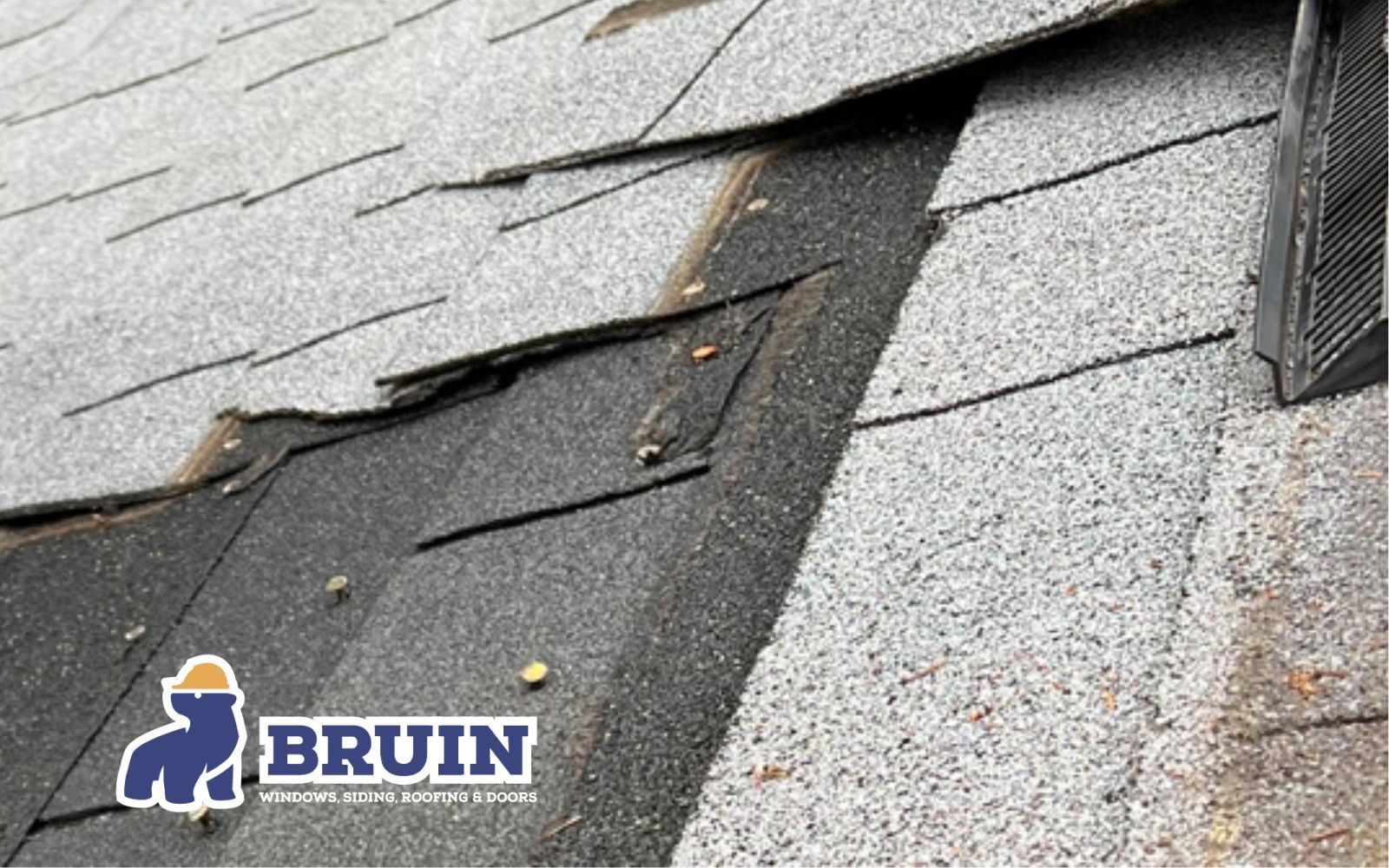
- Shingles that are missing, cracked, or curling
- Dark patches or uneven areas on the roof surface
- Excess granules collecting in gutters or downspouts
- Loose or damaged flashing around chimneys and vents
- Gutters that are clogged, sagging, or pulling away from the home
Inside your home, check ceilings and attic spaces for any signs of moisture or discoloration. Even a small stain can indicate a larger issue above.
Roofing Repair vs. Total Roof Replacement
Not all winter damage requires a full roof replacement. In many cases, targeted repairs can restore your roof’s integrity, especially if the damage is limited and your roof is relatively new.
However, spring inspections sometimes reveal more widespread issues. If your roof is older, has experienced repeated leaks, or shows signs of structural wear, it may be more cost-effective to consider a replacement rather than continuing to repair.
A professional assessment can help determine whether you’re dealing with surface-level damage or something deeper within the roofing system.
Spring Into Action
Spring offers a unique window of opportunity for homeowners. The weather is mild enough for proper installation, and addressing issues early can prevent further damage from spring rains and summer thunderstorms.
Winter may be over, but the impact it leaves on your roof can last well into the year. Catching issues early can prevent more extensive and costly damage down the line. If you’re unsure what condition your roof is in after this winter, now is the time to find out.
Ready to explore your options?
Connect with our home improvement team