
Siding Damage Checklist: 5 Signs to Look for After a Storm
We've had a few intense summer storms here in New England. Summer storms often bring in high winds, rain, and in some instances hail and flying debris, all of which can cause significant damage to your home's
siding. Even damage that may look minor, can lead to larger issues such as water damage and mold.
Following any storm, we suggest walking the perimeter of your home and using the below checklist to spot the five warning signs your home may have summer storm damage.
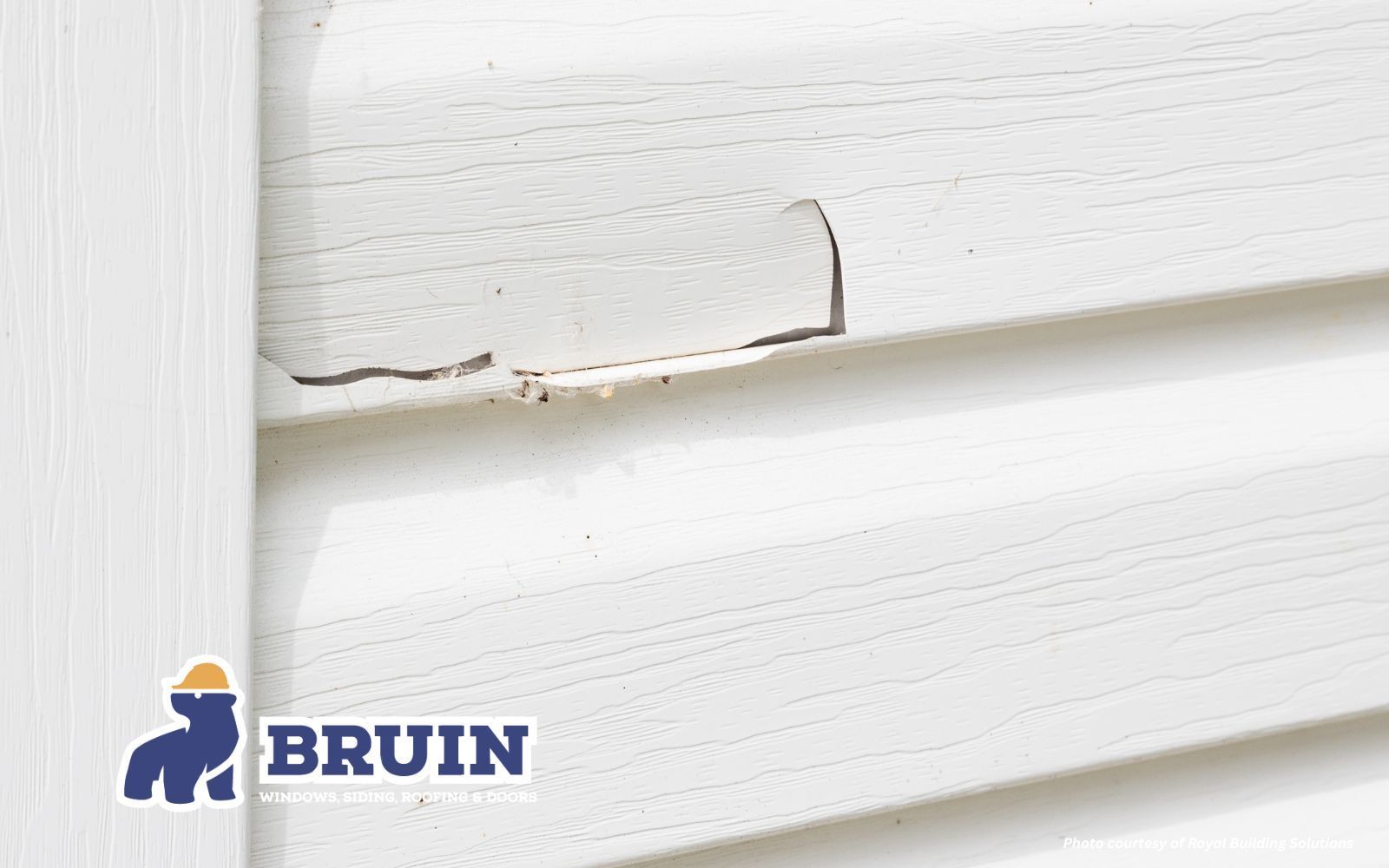
1. Cracks or Splits
High winds and hail can cause siding panels to crack or split, especially in older vinyl or wood siding. Even hairline cracks can let moisture behind the panel, so look closely, cracks aren't always obvious. Pay extra attention near corners, edges, and seams, where wind stress is greatest, as well as around windows, doors, and any spot where siding meets your trim. Lower sections of the wall tend to take the brunt of wind-blown debris, so it's worth checking both the front and sides of the house that faced into the storm.
2. Dents and Impact Marks
Hail and wind-blown debris such as branches, patio furniture, even trash cans commonly leave dents, especially in metal and vinyl siding. Dents may seem cosmetic, but they can also compromise the panel's ability to block water, and they're often one of the first visible clues that a storm did some damage. Look for small, rounded dents from hail, often clustered on the side of the house that faced the storm, as well as larger dents or gouges from tree branches or blown debris. Dinged gutters, downspouts, or trim are another good sign to watch for, since they often point to nearby siding damage too.
3. Warping or Buckling
Extreme summer heat combined with rain can cause siding to warp, buckle, or even pull away from your home. This is especially common with siding that wasn't installed with proper room to expand and contract. Check for panels that appear wavy or no longer sit flat against the house, or for gaps between panels.
4. Missing or Loose Panels
Strong wind gusts can rip siding panels loose entirely or loosen the fasteners holding them in place, leaving gaps that expose your home to the elements. Look for panels that rattle or ones that appear to have shifted along with any bare patches of exposed sheathing or house wrap.
5. Water Stains and Discoloration
If rain gets behind siding, it can leave staining or discoloration, a sign that water has found its way in. Look for dark streaks or stains at seams and panel edges, or discoloration near the bottom of siding runs, where water tends to collect. Peeling or bubbling paint near windows, doors, and corner trim can be another red flag. Also take notice of a musty smell or damp spots near exterior walls inside the home, which can indicate trapped moisture.
When to Call a Professional
Some storm damage can be easy to spot from the ground, but it can also be hidden behind trim, or up near the roofline. If you notice any of the damage listed above or you are simply not sure how your siding is holding up after the summer weather, it's worth having a professional take a closer look. Catching siding damage early is almost always less costly than repairing water damage, mold, or structural issues that can arise if damage is ignored.
Our expert team at Bruin Remodeling Group can help you assess storm damage, make repair suggestions, or discuss a full siding replacement and siding options we offer, if necessary.
Why Fall Is A Great Time for New Siding
Fall offers several advantages for siding installation:
- Mild Temperatures: Ideal conditions for proper siding installation
- Address Damage Early: Prevent small summer or storm-related issues from becoming larger, more costly repairs over the winter
- Improve Energy Efficiency: Upgrade now to prepare for colder weather and reduce your home’s heating costs
Work with Our Expert Team!
Connect with our home improvement team