
Is Your Home Ready for Winter? A Guide to Checking Your Windows, Doors, and Siding
The holidays are approaching, temperatures are dropping, and another long New England winter is just around the corner. Before the coldest weather arrives, now is a good time to take a closer look at how well your home is prepared for the season ahead.
Your windows, entry doors, and siding all play an important role in keeping your home comfortable, energy-efficient, and protected from the elements. Identifying potential issues early can help you address concerns before harsh winter weather makes them worse.
Here's what to look for and how to determine which improvements should be a priority.
Windows
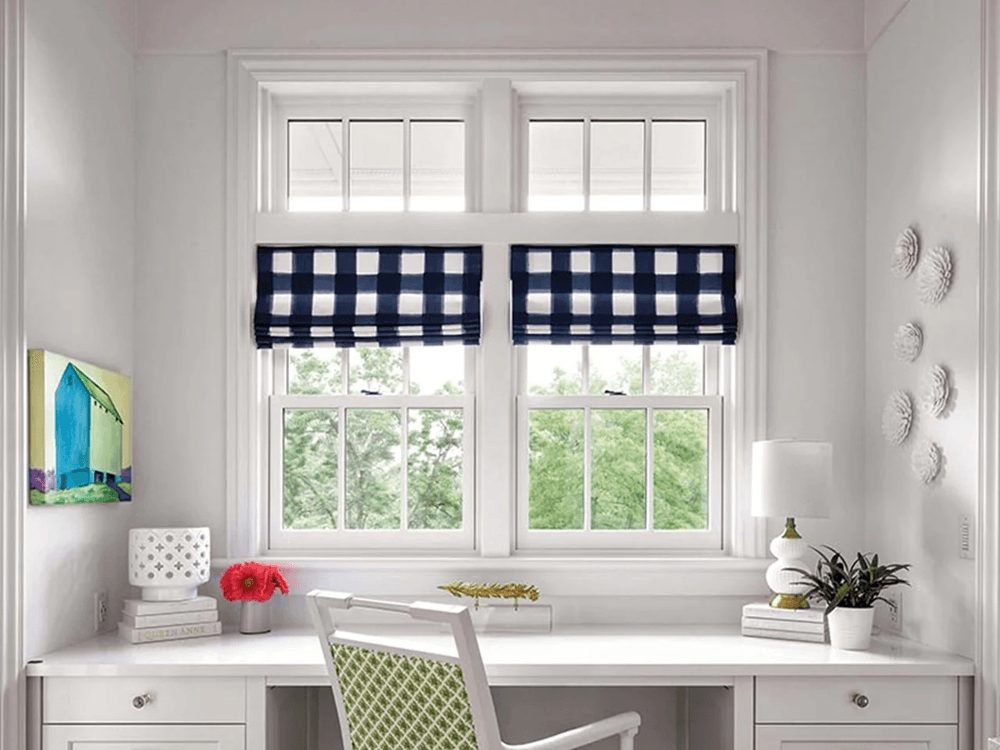
Your windows do more than provide natural light and views, they also play an important role in maintaining a comfortable indoor temperature. As temperatures begin to drop, it’s important to pay attention to how your windows are performing. Not every issue means your windows need to be replaced, however, persistent drafts, deteriorating frames, or ongoing performance problems may make replacement worth considering.
What to check:
- Drafts and cold spots: Do you feel cold air around closed windows or notice uncomfortable temperatures nearby? These may indicate air leakage or reduced insulating performance.
- Condensation and fogging: Moisture on the interior glass may indicate indoor humidity concerns, while fogging between panes can signal a failed insulating glass seal.
- Opening, closing, and locking: Do your windows open and close smoothly? Do they lock securely and fit snugly when closed?
- Weatherstripping and seals: Check for worn, torn, or missing weatherstripping that could allow outside air to enter.
- Visible deterioration: Look for damaged frames, deteriorating caulking, or signs of moisture around the window.
Entry Doors:
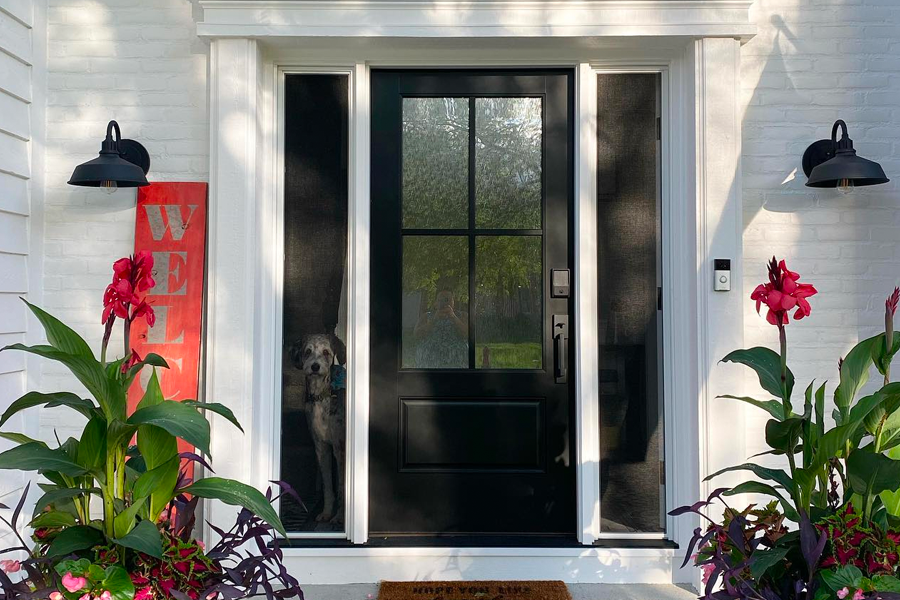
Your front entry door is about to get plenty of use as friends and family arrive for the holiday season. But beyond welcoming guests, it also plays an important role in your home's energy efficiency, helping to keep warm air in and cold drafts out.
What to check:
- Opening, closing, and latching: Does your door open and close smoothly? Does it latch securely and fit snugly within the frame?
- Weatherstripping and seals: Check for worn, torn, or missing weatherstripping that could allow outside air to enter.
- Drafts and air leaks: Can you feel cold air coming in around the edges of the door, even when it's fully closed?
- Gaps beneath the door: Is there visible daylight beneath the closed door? This may indicate a worn door sweep or an improperly sealed threshold.
Siding
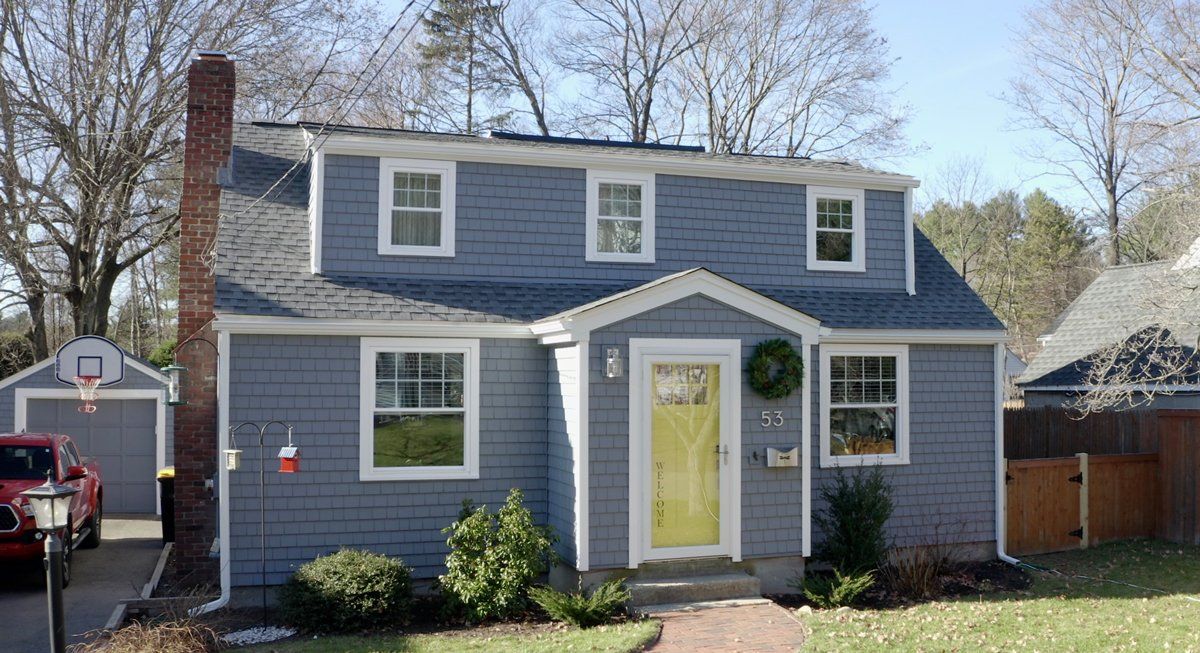
While windows and doors often get the most attention because they are used more frequently, your siding is equally important. Properly installed siding helps protect your home's exterior from rain, snow, wind, and other weather conditions. Minor issues may only require targeted repairs, however, widespread deterioration or recurring moisture problems may indicate it's time to consider a siding replacement.
What to check:
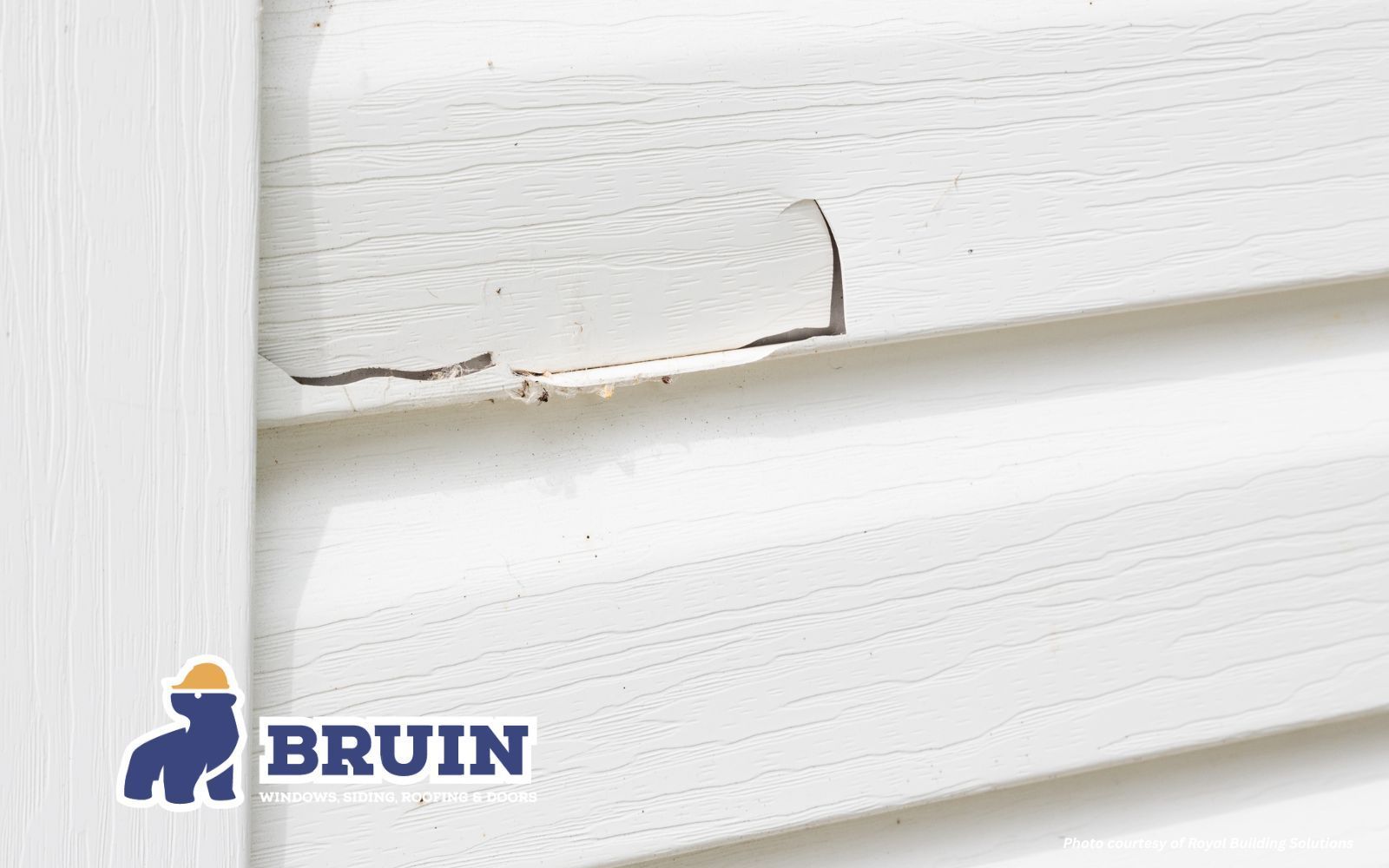
- Cracked or broken panels: Do you notice cracks, holes, or other visible damage that could allow moisture to get behind the siding?
- Loose or missing sections: Are any panels loose, shifting, or missing? These areas may be more vulnerable during winter storms.
- Warping or deterioration: Is your siding showing signs of warping, buckling, or wear that could indicate aging materials or underlying issues?
- Gaps around openings: Check where siding meets windows, doors, and exterior trim for gaps that could allow water to enter.
- Signs of moisture: Do you notice staining, peeling paint, or soft areas around exterior trim? These may indicate moisture problems that should be assessed.
What Should You Address First?
After running through these exterior checklists, you may discover a few areas that need attention. But remember, not every concern requires immediate repair or replacement. Some issues are more urgent than others, and knowing how to prioritize them can help you protect your home, improve your comfort, and plan for future improvements without taking on unnecessary projects. Here's where to focus your attention first:
- Long term damage: Active water stains, damaged exterior materials, or gaps that allow moisture into your home should be addressed first to avoid long term and costly damage to your home.
- Comfort and performance: Persistent drafts, poorly fitting doors, and underperforming windows can make certain rooms uncomfortable during colder weather and could take a toll on your heating and cooling bills over time.
- Future improvements: If your windows, doors, or siding are aging but still functioning well, winter can be a good time to research options and plan ahead.
Not Sure Where to Start?
Knowing whether an issue calls for a simple repair or a larger improvement isn't always easy.
Our team at Bruin Remodeling Group can help assess your windows, doors, and siding, explain your options, and recommend solutions that make the most sense for your home, needs, and budget.
Work with Our Expert Team!
Contact us to schedule a free in-home estimate and discuss which improvements may make sense for your home.
Connect with our home improvement team