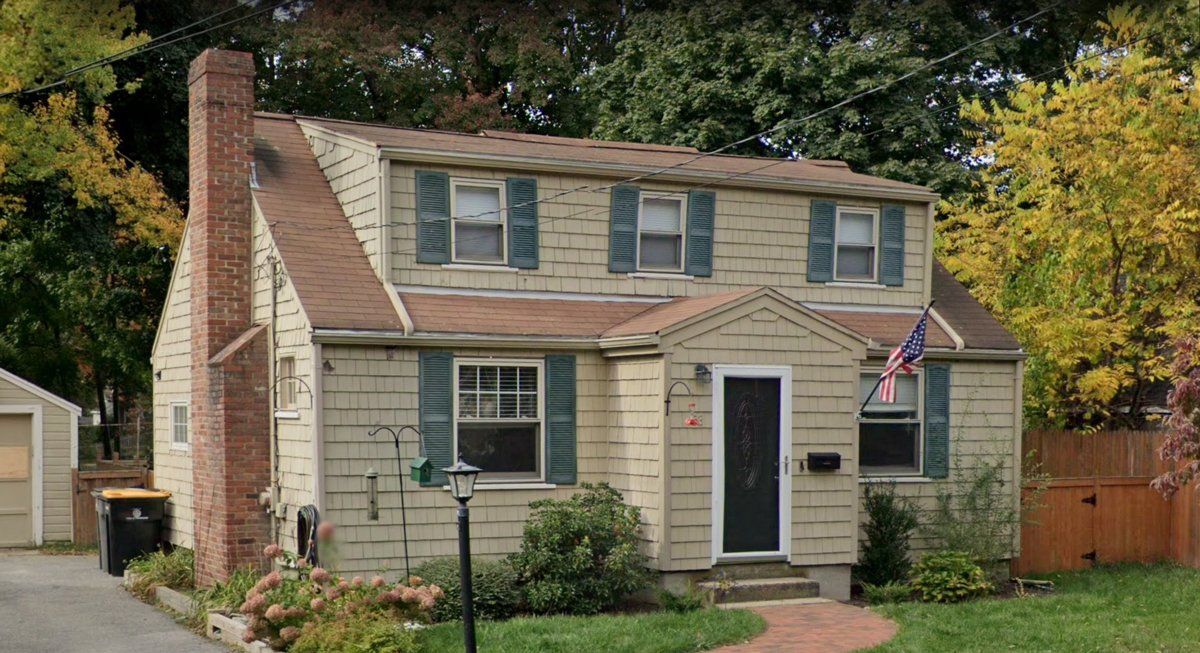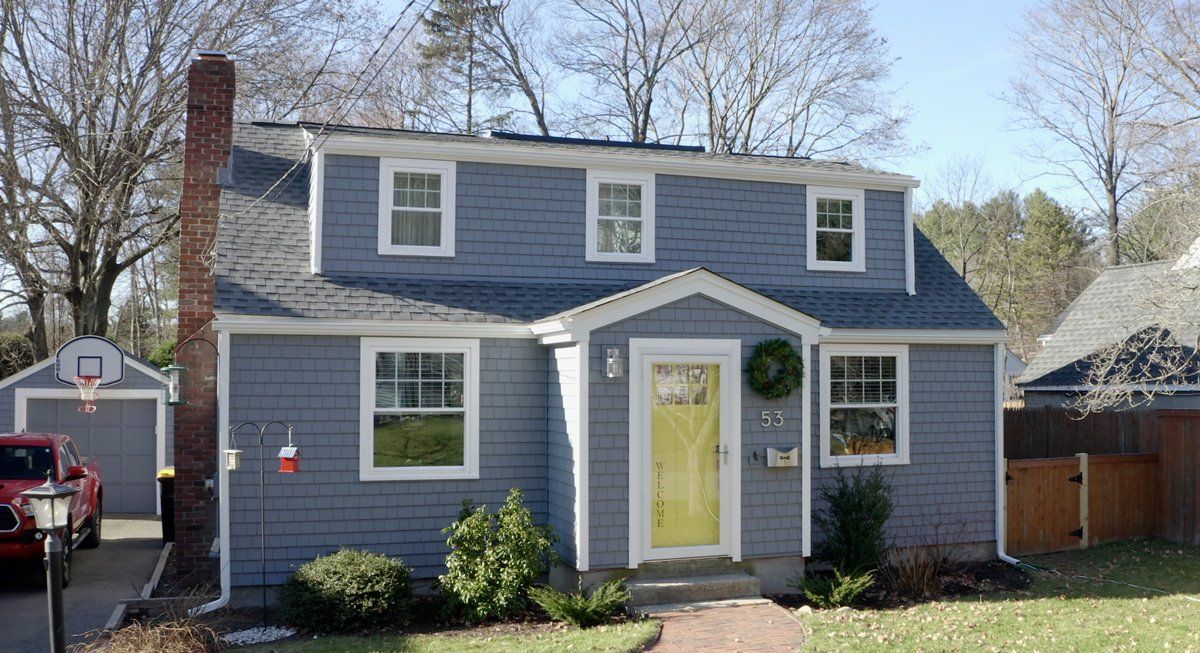


Siding Repair:
The Complete Homeowner’s Guide to Protecting Your Home & Preventing Exterior Damage

Repair Damaged Siding Before Moisture, Energy Loss & Structural Problems Get Worse
Your siding is one of the most important protective systems on your home. When siding becomes cracked, loose, warped, or damaged, it can expose your home to moisture intrusion, drafts, mold growth, and long-term structural deterioration.
At Bruin Remodeling Group, we provide professional siding repair services designed to restore the protection, appearance, and performance of your home’s exterior without requiring a full replacement when repairs are still a practical option.
Founded in 1981, Bruin Remodeling Group has helped homeowners throughout Massachusetts, Rhode Island, and New Hampshire repair and maintain exterior siding systems built to withstand New England weather conditions.
By Scott Hessen, President of Bruin Remodeling Group
Established in 1981
Last Updated: May 2026
Whether your siding has been damaged by storms, moisture, aging, or everyday wear, our team can help identify the cause of the problem and recommend the right repair solution for your home.
Why Homeowners Choose Bruin Remodeling Group
- Decades of window repair experience
- Fully licensed & insured
- Serving Massachusetts, New Hampshire & Rhode Island
- Honest recommendations — repair when it makes sense
In This Guide
What Problems Can Siding Repair Solve?
Cracked or Loose Siding Panels
Strong winds, storms, temperature fluctuations, and aging materials can cause siding panels to crack, loosen, or separate from the home.
Damaged panels not only affect curb appeal but can also expose the structure beneath the siding to moisture and weather damage.
Professional siding repair helps restore proper sealing and protection while improving the overall appearance of the exterior.
Moisture Intrusion & Water Damage
One of the biggest risks of damaged siding is water infiltration. Cracks, gaps, and loose seams can allow moisture behind the siding, leading to:
- Wood rot
- Mold and mildew growth
- Structural deterioration
- Interior water damage
- Insulation problems
In New England climates, repeated freeze-thaw cycles can make moisture-related damage even worse over time.
Siding repair helps seal vulnerable areas and prevent additional exterior deterioration.
Drafts & Energy Loss
Damaged siding can contribute to air leakage around the exterior of the home, making it more difficult to maintain comfortable indoor temperatures.
Homeowners may notice:
- Drafts near exterior walls
- Uneven room temperatures
- Higher heating and cooling costs
- Increased exterior air leakage
Repairing damaged siding and sealing exposed areas can help improve the performance of your home’s exterior envelope.
According to the U.S. Department of Energy, reducing air leakage around the home can improve overall energy efficiency and indoor comfort.
Storm & Impact Damage
Hail, wind-driven debris, fallen branches, and severe weather can damage siding materials and expose your home to further deterioration.
Even small areas of damage can allow moisture to enter behind the siding system if left unaddressed.
Prompt siding repairs help prevent larger and more expensive structural problems later.
Fading, Warping & Exterior Wear
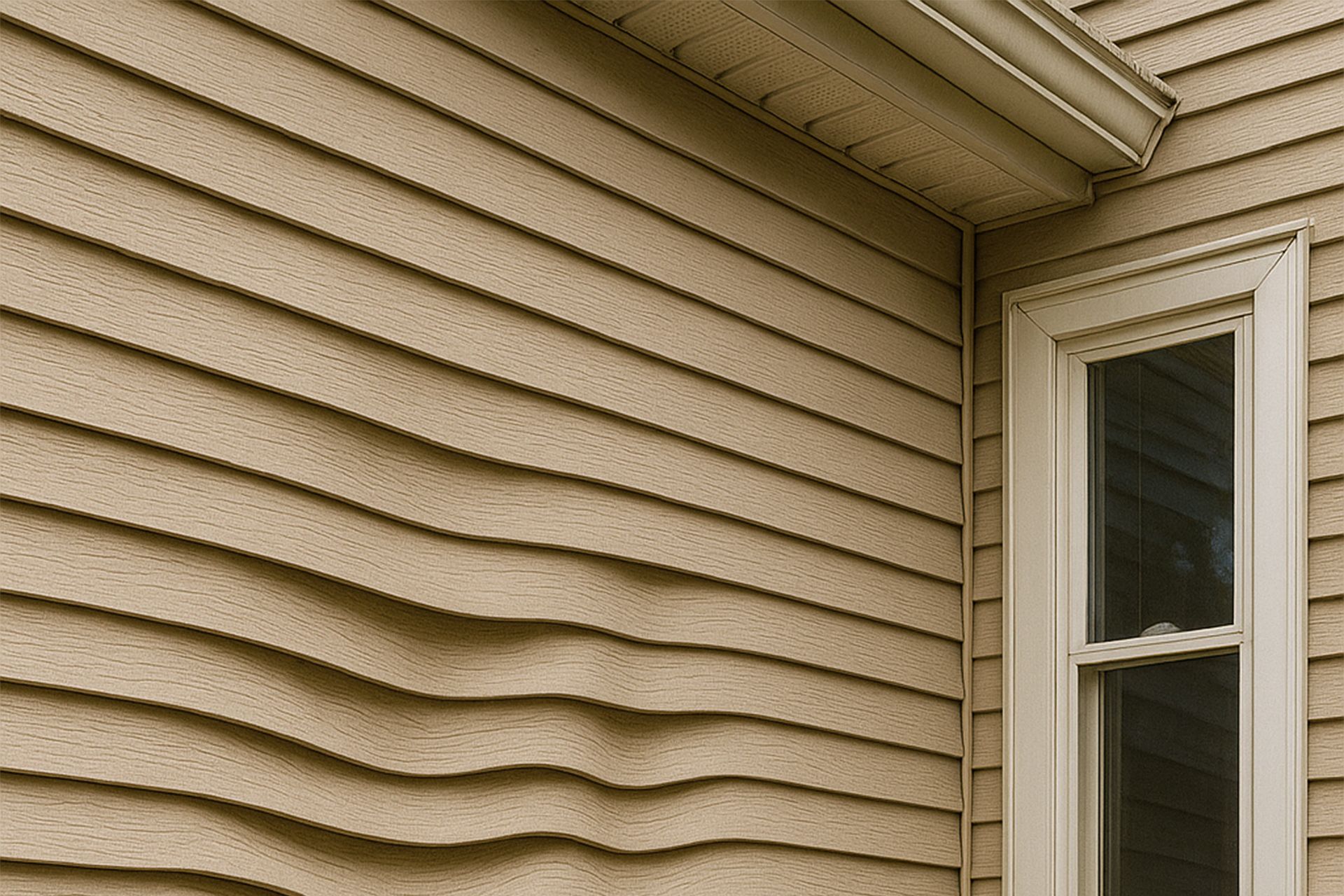
Years of sun exposure, moisture, and seasonal weather changes can cause siding to fade, warp, buckle, or deteriorate.
Repairing isolated problem areas can help extend the lifespan of the overall siding system while maintaining the appearance of your home.
What Causes Siding Damage?
Siding problems often develop gradually over time due to weather exposure, moisture intrusion, aging materials, and normal wear.
Common Causes of Siding Damage
Weather Exposure
Heavy rain, snow, ice, humidity, UV rays, and strong winds can weaken siding materials over time.
Moisture Intrusion
Water penetration behind siding can cause rot, mold growth, and structural deterioration.
Aging Materials
Older siding systems naturally become more brittle, faded, or vulnerable to cracking as materials age.
Improper Installation
Poor installation techniques can lead to loose panels, moisture issues, and premature siding failure.
Storm Damage
Hail, debris, and severe weather events can crack or puncture siding materials.
Pest Damage
Insects and small animals can sometimes damage exterior siding systems or create openings that allow moisture intrusion.
How Does the Siding Repair Process Work?
Our Simple, Proven Process
01
Exterior Inspection & Damage Assessment
We begin by carefully inspecting the affected areas to determine:
- The extent of visible damage
- Whether moisture intrusion is present
- If structural materials beneath the siding have been affected
- Whether repairs or replacement make the most sense
02
Removal of Damaged Materials
Damaged siding panels, trim, or affected exterior components are carefully removed while minimizing disruption to surrounding materials.
03
Structural & Moisture Repairs
(If Needed)
If underlying wood rot, moisture damage, or deteriorated sheathing is discovered, those areas are repaired before new siding materials are installed.
04
Siding Repair & Replacement
New siding panels are installed and matched as closely as possible to the existing exterior for a consistent appearance.
We also repair:
- Trim pieces
- Corner boards
- Exterior sealing
- Moisture barriers
- Fasteners and attachment points
05
Final Inspection & Cleanup
Once repairs are complete, we inspect the repaired areas for proper alignment, sealing, and finish quality before completing a full cleanup of the project area.
Typical Timeline: 1–3 days for most repairs
Schedule Your Siding Repair Assessment
What Types of Siding Can Be Repaired?
Many siding materials can be successfully repaired depending on the age and condition of the existing system.
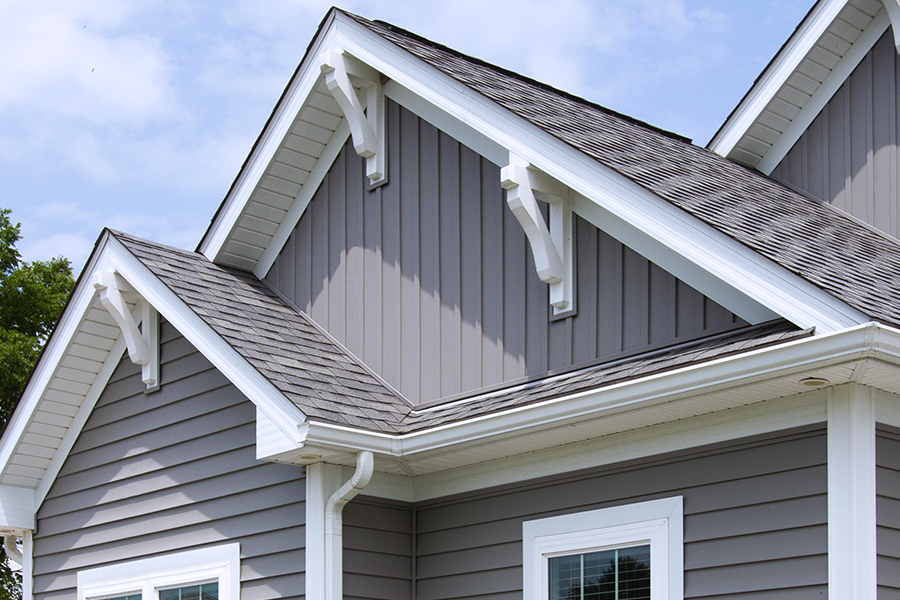
Vinyl Siding Repairs
Vinyl siding is one of the most commonly repaired exterior materials.
Common vinyl siding repairs include:
- Cracked panels
- Loose sections
- Wind damage
- Warping or buckling
- Moisture-related damage
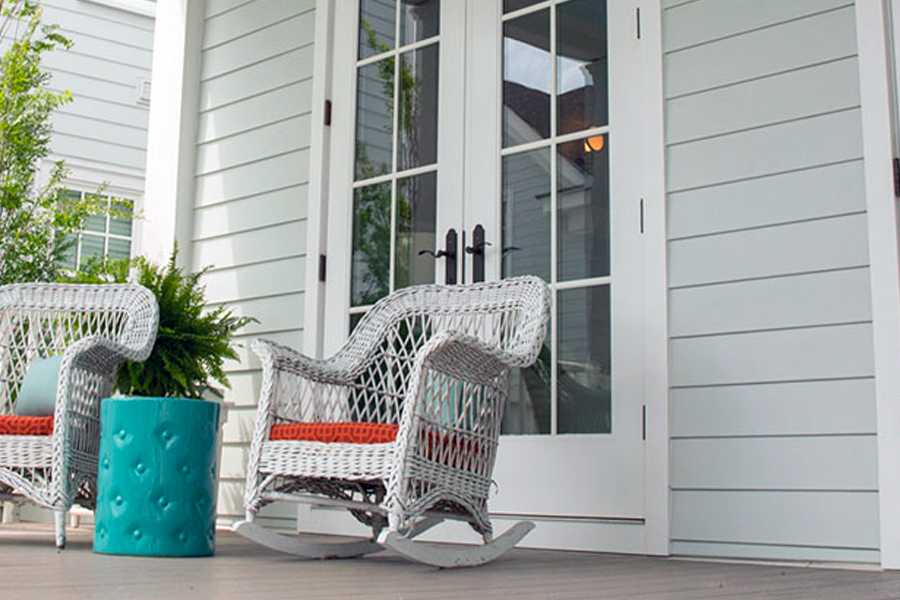
Fiber Cement Siding Repairs
Fiber cement siding is highly durable but can still experience cracking, moisture intrusion, or impact damage over time.
Repairs may include:
- Panel replacement
- Joint sealing
- Moisture repair
- Surface restoration
Is Siding Repair or Replacement the Better Option?
The right solution depends on the extent of the damage, the age of the siding system, and the overall condition of the exterior.
Repair vs. Replace: How to Decide
| Factor | Repair | Replace |
|---|---|---|
| Damage Area | Small isolated sections | Widespread deterioration |
| Moisture Problems | Minor localized issues | Ongoing or extensive damage |
| Siding Age | Relatively newer siding | Aging or failing system |
| Appearance | Small cosmetic corrections | Major fading or mismatched areas |
| Energy Efficiency | Minor improvements | Significant performance upgrades |
| Long-Term Maintenance | Continued upkeep | Lower future maintenance |
When Siding Repair Makes Sense
Repairs are often a good option when:
- Damage is limited to a few areas
- Most of the siding remains structurally sound
- Moisture issues are caught early
- Matching materials are still available
When Replacement May Be Recommended
Replacement is often the better long-term investment when:
- Damage is widespread
- Moisture intrusion is severe
- Siding is aging or deteriorating across multiple areas
- Repeated repairs are becoming costly
How Much Does Siding Repair Cost?
Siding repair costs vary depending on:
- The size of the damaged area
- Type of siding material
- Moisture or structural damage beneath the siding
- Accessibility of the repair area
- Material matching requirements
Minor repairs may involve replacing a few damaged panels, while larger repairs involving moisture damage or structural deterioration may require more extensive work.
How Can You Prevent Future Siding Damage?
Routine exterior maintenance and early repairs can help extend the lifespan of your siding system.
Tips to Help Prevent Siding Problems
- Inspect siding after major storms
- Keep gutters and downspouts functioning properly
- Trim back trees and branches near the home
- Watch for moisture stains or mold growth
- Address small cracks or loose panels early
- Maintain proper exterior sealing and caulking
Frequently Asked Questions About Siding Repair
Can damaged siding lead to water damage inside the home?
Yes. Damaged siding can allow moisture behind the exterior walls, which may eventually lead to structural damage, insulation problems, mold growth, or interior water intrusion.
Can individual siding panels be replaced?
In many cases, yes. Isolated damaged sections can often be repaired without replacing the entire siding system.
How quickly should siding damage be repaired?
It’s best to repair siding damage as soon as possible, especially if moisture intrusion is involved. Small problems can become much larger structural issues if left untreated.
Can siding repairs improve energy efficiency?
Repairing gaps, cracks, and damaged sections can help reduce air leakage and improve the overall performance of the home’s exterior envelope.
What are the signs of hidden moisture damage behind siding?
Common signs include:
- Warping or bubbling siding
- Soft exterior areas
- Mold or mildew growth
- Water stains
- Persistent drafts or musty odors
Is storm damage to siding covered by insurance?
In some cases, siding damage caused by storms, hail, or fallen debris may be covered by homeowners insurance policies. Coverage varies depending on the policy and the cause of the damage.
Why Choose Bruin Remodeling Group?
Experienced Repair Specialists
Decades of hands-on window repair experience.
Quality Materials & Parts
Durable components built for long-term performance.
Clear Communication
No pressure. No guessing. Just honest guidance.
Fully Licensed & Insured
Serving MA, NH, and RI with confidence.
Schedule Your Siding Repair Assessment
Bruin Remodeling Group provides professional siding repair services throughout Massachusetts, Rhode Island, and New Hampshire, helping homeowners restore exterior protection, prevent moisture damage, and maintain long-term curb appeal.