

Siding Replacement:
The Complete Homeowner’s Guide to Protection, Energy Efficiency & Long-Term Curb Appeal

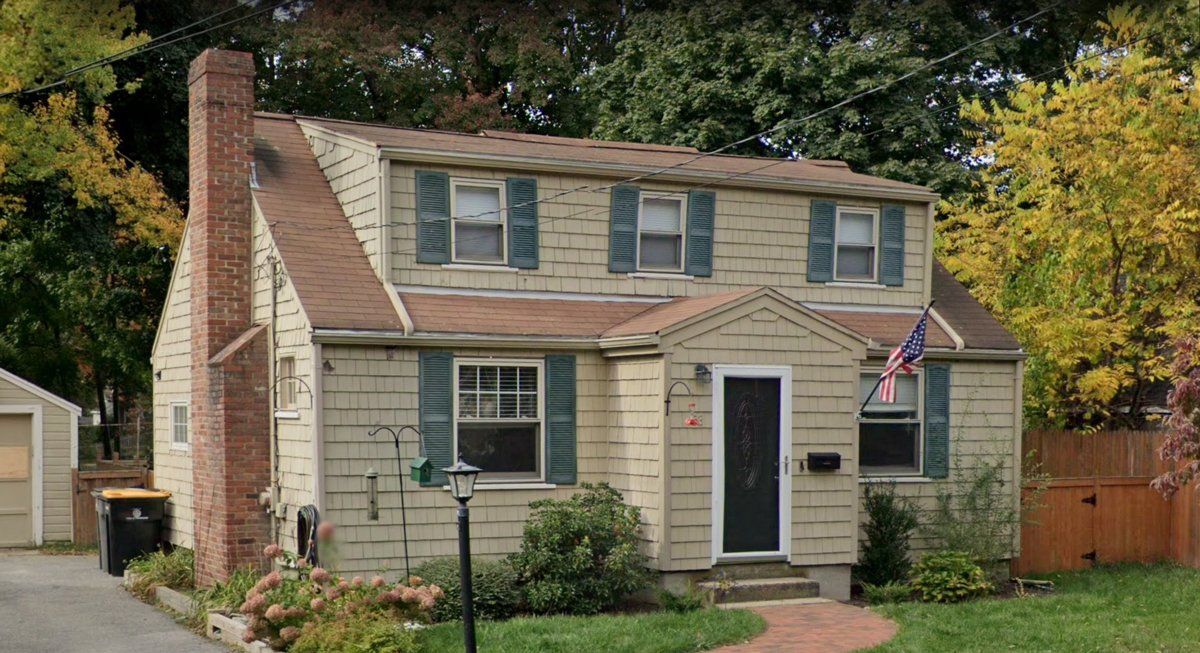
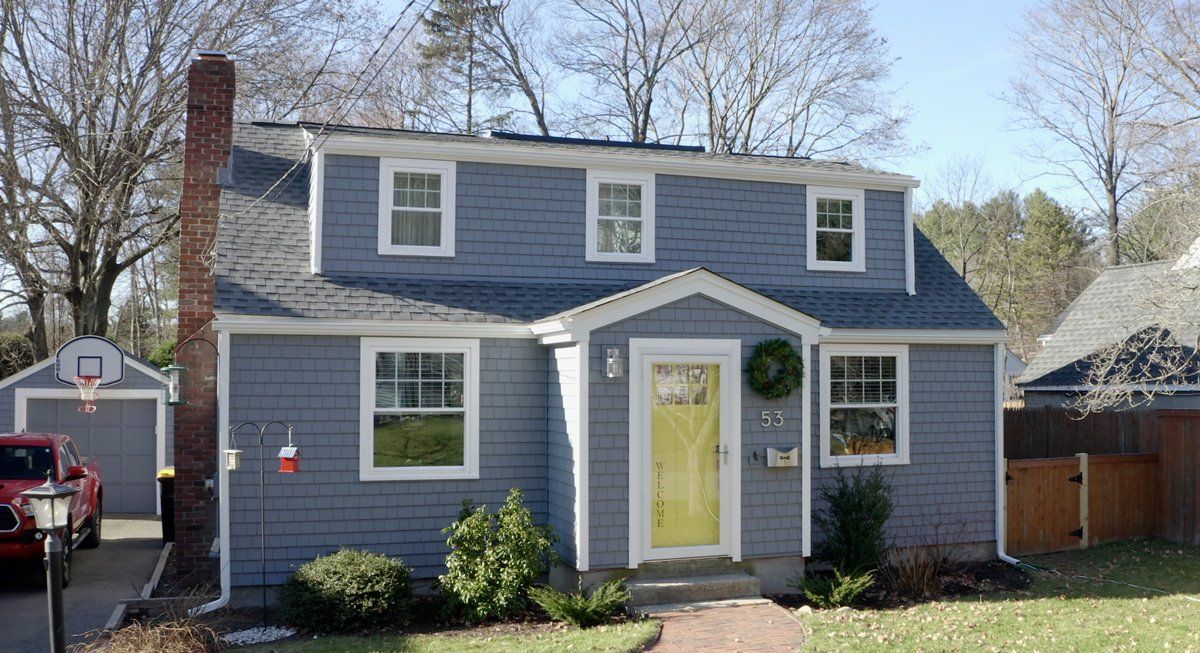
Replace Worn, Damaged Siding & Protect Your Home from New England Weather
Your siding does far more than improve curb appeal. It helps protect your home from moisture intrusion, heat loss, wind exposure, and long-term structural damage. When siding begins to crack, warp, fade, or fail, it can affect both the appearance and performance of your home.
At Bruin Remodeling Group, we provide professional siding replacement services designed to improve durability, insulation, weather protection, and long-term value for homeowners throughout Massachusetts, Rhode Island, and New Hampshire.
Founded in 1981, Bruin Remodeling Group has helped homeowners throughout New England upgrade aging exteriors with professionally installed siding systems built to withstand harsh seasonal weather conditions.
Why Homeowners Choose Bruin Remodeling Group
- Replace up to 14 windows in one day
- 10-Year Labor Warranty
- Hundreds of successful window installations
- Factory-trained installers
In This Guide
Why Homeowners Replace Their Siding
- Cracked, warped, or loose siding panels
- Fading or outdated exterior appearance
- Moisture intrusion and water damage
- Increased heating and cooling costs
- Peeling paint and frequent maintenance
- Storm or weather-related damage
- Mold, mildew, or rot concerns
- Poor insulation performance
- Reduced curb appeal and home value
Modern siding systems are designed to improve energy efficiency, reduce maintenance, and provide stronger long-term protection against New England weather conditions.
What Problems Can Siding Replacement Solve?
Moisture Damage & Water Intrusion
One of the biggest problems caused by aging or damaged siding is moisture penetration. Cracked panels, loose seams, and failing exterior materials can allow water to reach the structure beneath the siding.
Over time, this may lead to:
- Wood rot
- Mold or mildew growth
- Structural deterioration
- Interior moisture problems
- Exterior staining and damage
Replacing worn siding helps restore a properly sealed exterior system that better protects your home from rain, snow, humidity, and seasonal freeze-thaw cycles.
Rising Energy Bills & Poor Insulation
Older siding systems often lack the insulation performance and sealing capabilities of modern siding products. Air leakage around the exterior of the home can contribute to drafts and temperature fluctuations throughout the year.
Modern siding systems, especially insulated vinyl siding, can help improve thermal performance and reduce unwanted air infiltration.
According to the U.S. Department of Energy, improving the exterior building envelope can help reduce overall energy loss and improve indoor comfort.
Common Signs of Energy Loss
- Drafts near exterior walls
- Uneven indoor temperatures
- Higher utility costs
- Rooms that feel colder in winter or hotter in summer
- Excessive exterior air leakage
Cracking, Warping & Structural Wear
Years of exposure to New England weather conditions can cause siding materials to crack, fade, warp, or loosen over time.
Heavy storms, moisture exposure, UV rays, and seasonal temperature changes all contribute to exterior deterioration that affects both protection and appearance.
Professional siding replacement helps restore the structural integrity and appearance of your home’s exterior.
Constant Exterior Maintenance
Older wood siding often requires scraping, repainting, sealing, and ongoing maintenance to protect against weather exposure and moisture damage.
Modern siding materials are designed to reduce maintenance requirements while providing long-term durability and consistent appearance.
Faded or Outdated Appearance
Siding is one of the most visible features of your home’s exterior. Aging, faded, or damaged siding can negatively affect curb appeal and overall property appearance.
New siding systems are available in a wide range of styles, textures, and colors designed to complement both traditional and modern homes.
How Does the Siding Replacement Process Work?
Our Simple, Proven Process
01
Exterior Inspection & Consultation
We begin by inspecting your existing siding and identifying issues such as moisture damage, insulation concerns, loose panels, or structural wear.
Our team also discusses your goals for:
- Appearance
- Maintenance preferences
- Energy efficiency
- Budget
- Material selection
02
Material & Design Selection
Homeowners can choose from a variety of siding styles, textures, and colors designed to improve both appearance and performance.
We help guide material selection based on:
- Home style
- Maintenance expectations
- Durability goals
- Weather exposure
- Budget considerations
03
Removal of Existing Siding
Old siding is carefully removed so the structure beneath can be inspected for hidden damage, moisture intrusion, or deterioration before new materials are installed.
04
Installation of New Siding System
New siding is professionally installed with proper moisture barriers, trim work, insulation considerations, and sealing methods designed for long-term weather resistance.
Proper installation is critical in New England climates where homes experience heavy moisture exposure, freezing temperatures, and seasonal expansion and contraction.
05
Final Detailing & Cleanup
After installation is complete, we finish trim details, inspect the system for quality and alignment, and complete a thorough cleanup of the project area.
Most siding replacement projects take several days depending on home size and project complexity.
Typical Timeline: Timelines vary based on project scope
Get Your Free Siding Replacement Estimate
What Types of Siding Are Best for New England Homes?
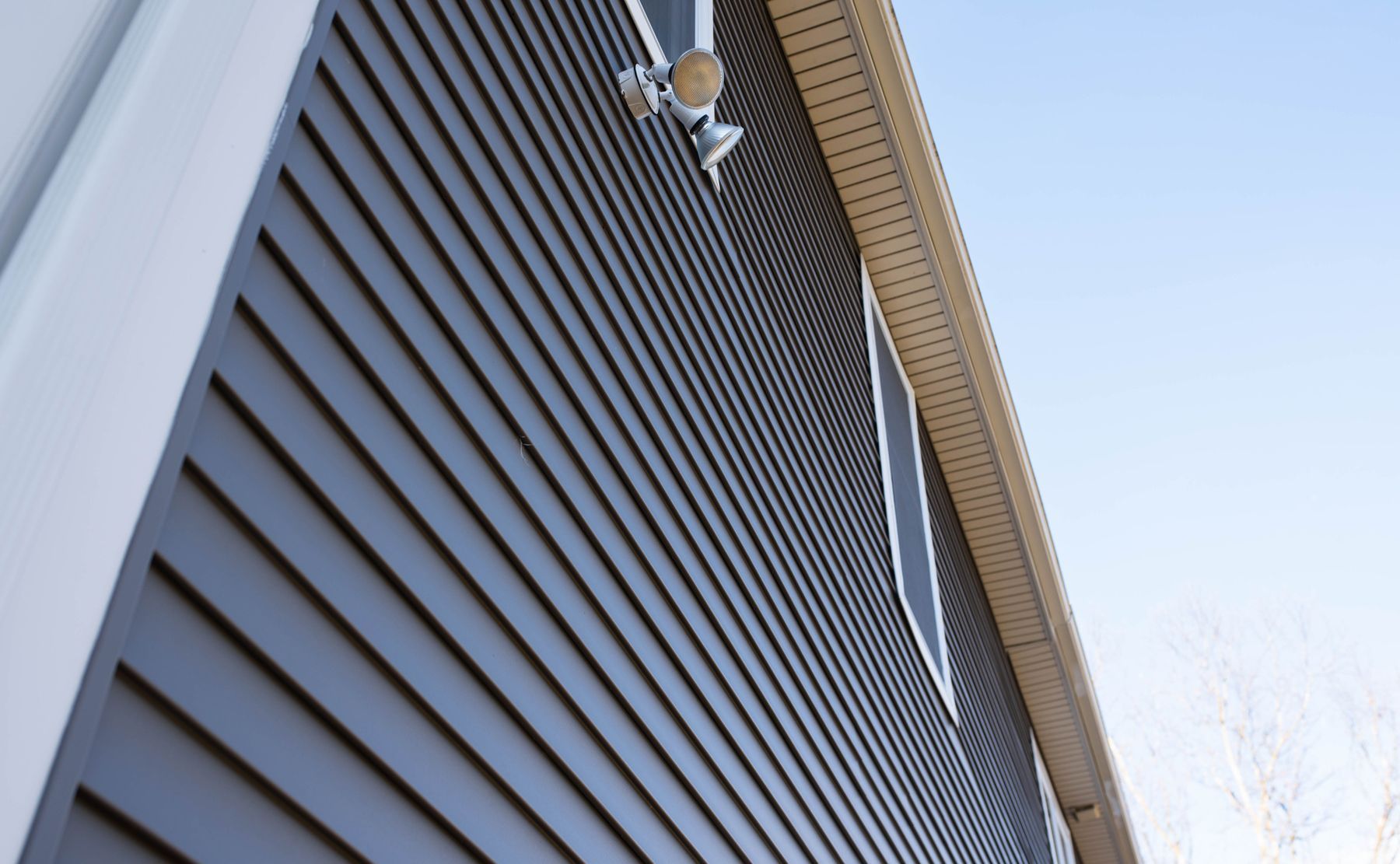
Vinyl Siding
Vinyl siding remains one of the most popular siding options due to its affordability, low maintenance requirements, and wide range of design options.
Benefits of Vinyl Siding:
- Low maintenance
- Resistant to moisture damage
- Available in many colors and styles
- Does not require painting
- Cost-effective exterior upgrade
- Long-lasting durability
Best For:
- Homeowners seeking lower maintenance
- Traditional residential homes
- Budget-conscious exterior upgrades
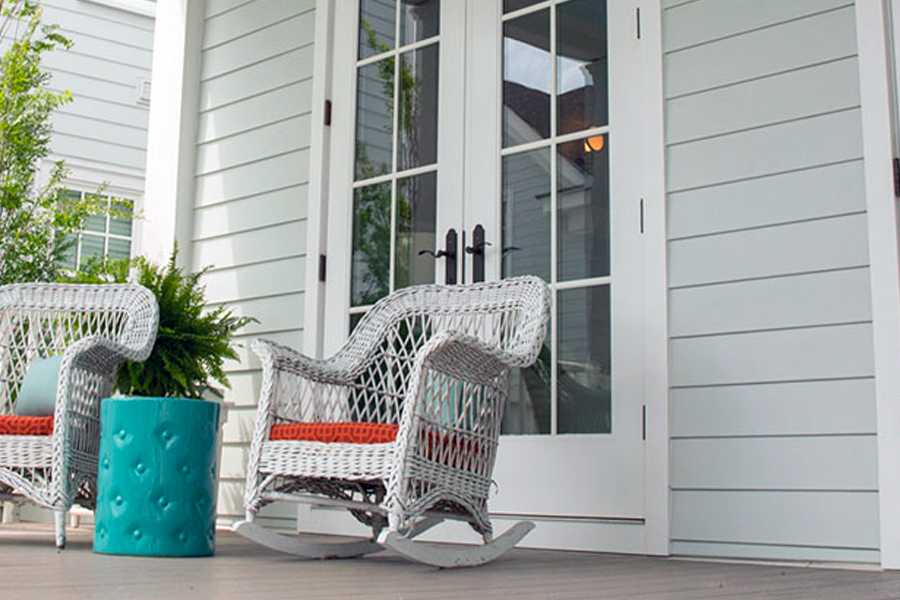
Fiber Cement Siding
Fiber cement siding offers exceptional durability and resistance to weather exposure, moisture, and pests.
Benefits of Fiber Cement Siding:
- Strong durability
- Resistant to rot and insects
- Excellent weather performance
- Long lifespan
- High-end appearance options
Best For:
- Homes exposed to harsh weather conditions
- Homeowners prioritizing durability
- Premium exterior upgrades
Which Siding Material Is Best for Your Home?
For many New England homeowners, vinyl siding offers an excellent balance of affordability, durability, and low maintenance. Fiber cement siding may provide better long-term durability and impact resistance for homes exposed to severe weather conditions.
The best siding material depends on:
- Your budget
- Maintenance preferences
- Desired appearance
- Weather exposure
- Long-term performance goals
How Does Siding Help Energy Efficiency?
Modern siding systems help improve your home’s exterior protection and thermal performance by reducing air leakage and improving insulation.
Important Energy Performance Factors
Insulated Siding Systems
Some siding products include built-in insulation that helps reduce heat transfer and improve comfort.
Moisture Barriers
House wraps and weather-resistant barriers help reduce moisture intrusion while improving protection against air leakage.
Exterior Sealing
Proper installation and sealing help reduce drafts and improve overall building envelope performance.
Thermal Performance
Modern siding systems help stabilize indoor temperatures during New England’s cold winters and humid summers.
Is Siding Replacement Right for You?
Siding replacement may be the right solution if your home’s exterior is no longer providing reliable protection, insulation, or appearance.
Common Signs It May Be Time to Replace Your Siding
- Cracking or warping panels
- Loose or missing siding
- Rot or moisture damage
- Mold or mildew growth
- Fading or peeling exterior surfaces
- Drafts or poor insulation
- Frequent maintenance requirements
- Storm or impact damage
Repair vs. Replace: How to Decide
| Factor | Repair | Replace |
|---|---|---|
| Damage | Small isolated areas | Widespread deterioration |
| Moisture Issues | Limited patching | Full moisture protection |
| Appearance | Minor cosmetic fixes | Complete exterior refresh |
| Energy Efficiency | Small improvements | Stronger insulation performance |
| Maintenance | Continued upkeep | Lower long-term maintenance |
| Cost | Lower upfront | Greater long-term value |
When Repair May Make Sense
Minor damage affecting isolated areas may sometimes be repaired if the overall siding system remains structurally sound.
When Replacement Is Usually Recommended
Replacement is often the better long-term solution when siding is aging, moisture-damaged, warped, faded, or no longer protecting the home effectively.
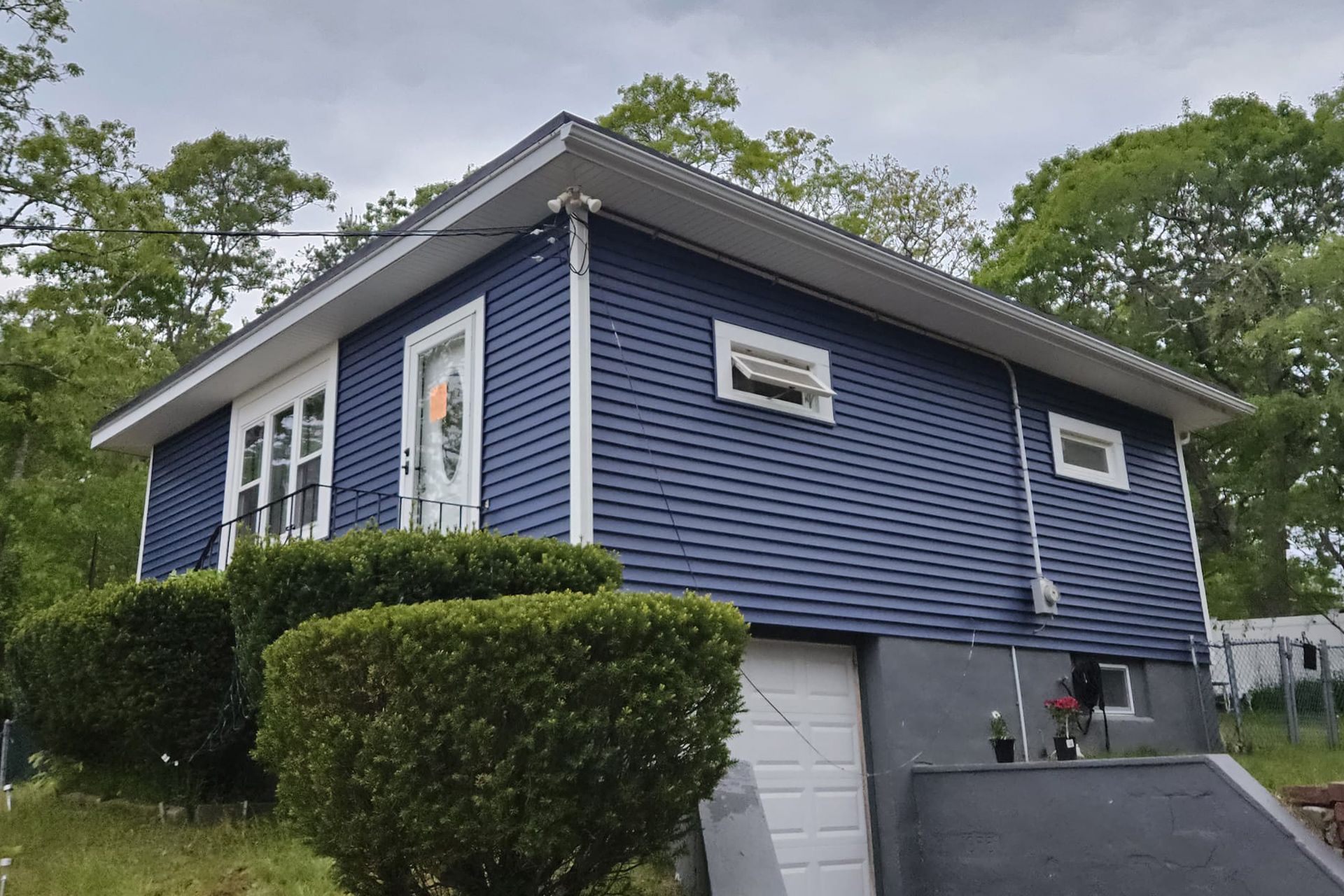
How Much Does Siding Replacement Cost?
Siding replacement costs vary depending on the size of the home, material selection, and overall project complexity.
Factors That Affect Siding Replacement Costs
- Home size and layout
- Siding material selection
- Insulation upgrades
- Trim and architectural details
- Existing structural repairs
- Accessibility and installation complexity
Long-Term Value of Siding Replacement
While siding replacement is a significant investment, it can provide important long-term benefits including:
- Improved curb appeal
- Reduced maintenance requirements
- Better weather protection
- Increased energy efficiency
- Improved home value
- Stronger long-term exterior durability
Professionally installed siding helps protect your home’s structure while improving appearance and long-term performance.
Frequently Asked Questions About Siding Replacement
How long does siding replacement usually take?
Most siding replacement projects are completed over several days to two weeks, depending on the size of the home, material selection, weather conditions, and overall project complexity.
What siding material requires the least maintenance?
Vinyl siding is generally considered one of the lowest-maintenance siding materials because it does not require regular painting or sealing.
Can new siding improve energy efficiency?
Yes. Modern siding systems can help reduce air leakage and improve insulation performance when properly installed.
How do I know if my siding has moisture damage?
Signs may include warping, soft areas, mold growth, bubbling paint, staining, or visible deterioration around seams and trim.
Is siding replacement worth the investment?
Siding replacement can improve curb appeal, reduce maintenance, strengthen weather protection, and help improve long-term home value.
The Bruin Remodeling Group Difference
Our Installers
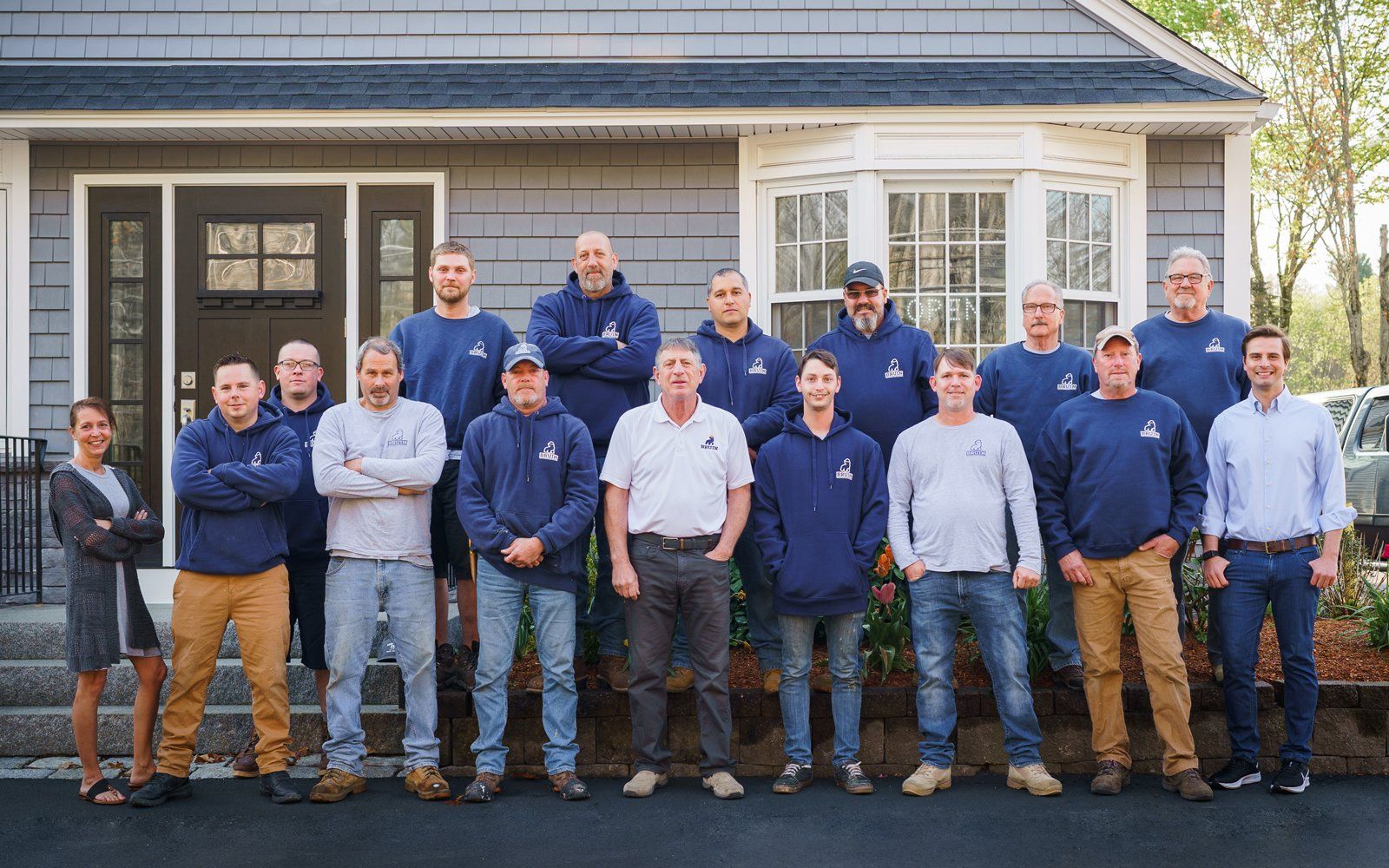
Factory-trained, full-time professionals, never subcontractors.
Our Warranty
A clear 10-year labor warranty, explained with no fine print.
Our Approach
Education first. No pressure. Clear answers so you can decide confidently.
Get Your Free Siding Replacement Estimate
Bruin Remodeling Group helps homeowners throughout Massachusetts, Rhode Island, and New Hampshire upgrade aging exteriors with professionally installed siding replacement systems designed for long-term protection, durability, and curb appeal.