
Winter Roof Protection: 5 Tips to Prevent Ice Dams
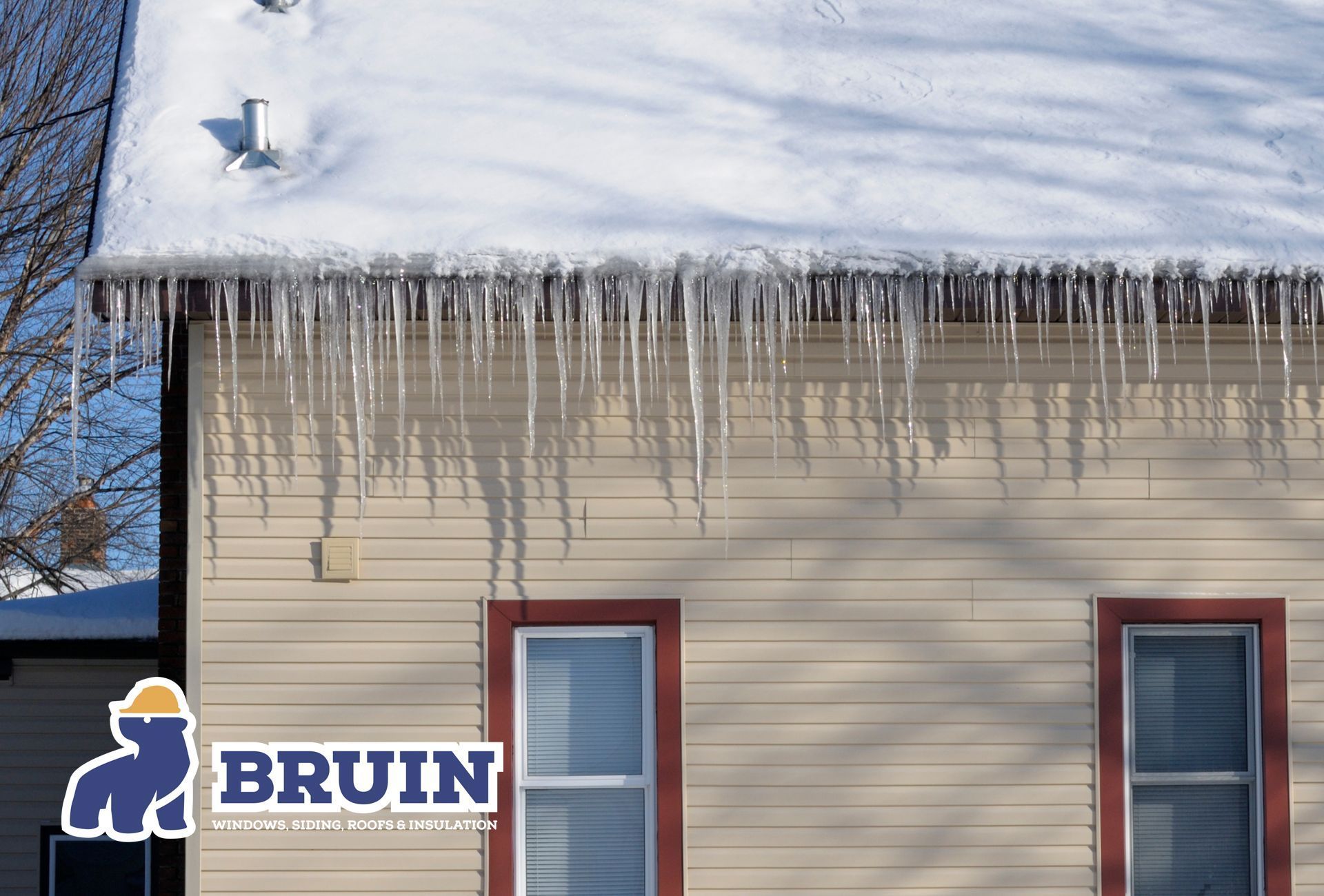
Ice dams form when snow on your roof melts due to heat escaping from your home’s attic. The melted snow flows down to the roof’s edge, where it refreezes. Over time, this creates a barrier of ice that prevents further melting snow from draining off the roof. The trapped water can then seep back under shingles and unfortunately, into your home, causing water damage.
Ice dams pose several risks to your home including:
- Roof Damage: Ice dams can loosen shingles and damage your roof’s structure.
- Gutter Issues: The added weight of ice can pull gutters away from the roof.
- Interior Water Damage: Water can infiltrate walls, ceilings, and insulation, leading to stains, mold, and structural issues.
5 Prevention Strategies
Here are several ways to prevent ice dams from forming on your roof.
1. Improve Insulation
Proper
insulation in your attic is crucial for maintaining consistent indoor temperatures and preventing heat loss. This helps avoid uneven snow melting, which can lead to ice dams on your roof. Inspect your attic insulation regularly and consider upgrading if your current insulation is insufficient or outdated.
2. Ventilate Your Roof
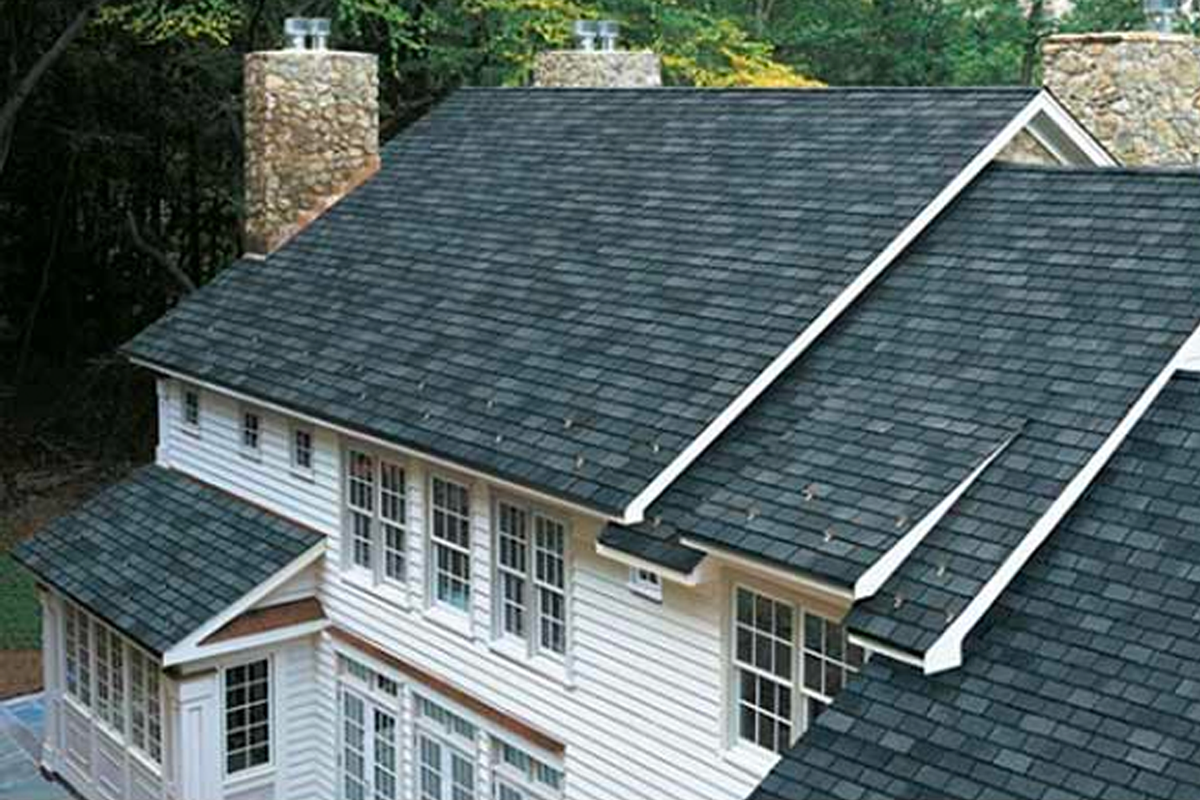
Ensure your attic has adequate ventilation to maintain balanced temperatures and prevent heat buildup. Ridge and soffit vents allow proper ventilation which reduces the risk of ice dam formation and extends the lifespan of your
roof.
3. Seal Air Leaks
Identify and seal any gaps or cracks where warm air might escape into the attic, such as around recessed lighting, HVAC vents, and chimneys. Use materials like caulk or spray foam to close these gaps effectively. Sealing air leaks not only prevents heat loss but also helps reduces energy bills and increases your home’s overall efficiency.
4. Remove Snow Safely
After a heavy snowfall, promptly remove snow from your roof to prevent excessive weight and ice dams. For safety and to minimize the risk of damage to shingles or gutters, consider hiring a professional snow removal service. If you choose to handle the task yourself using a roof rake, ensure you work carefully and follow safety precautions.
5. Install Heat Cables
Installing heat cables along the edges of your roof will help melt snow and ice, preventing the buildup of ice dams. These cables are especially beneficial in regions prone to heavy snowfall and can significantly reduce the risk of winter roof damage. Be sure to follow the manufacturer’s installation instructions and hire a professional for proper setup.
Want to learn more? Check out our video
How To Prevent Ice Dams on our
YouTube Page!
Work with Our Expert Team!
Need a
new roof? We are a fully licensed, GAF Certified Roofing Contractor. We are committed to making your roof replacement as smooth and effortless as possible.
Contact us today!
Connect with our home improvement team